A personal business experiment built on zero inventory and one hypothesis: people in Costa Rica want the products going viral globally, just not the friction to get them. Dropclub is testing whether the gap between global discovery and local access can become a system.
The business problem
People in Costa Rica are exposed to the same products, brands, and cultural moments as consumers anywhere else. The gap is in getting to them. Many international brands don't ship here. Importing requires knowledge most customers don't have. Local selection covers only a fraction of what people discover online.
The initial hypothesis was direct: people will pay a reasonable premium for trusted, convenient access to products they already want but can't easily buy locally. Before testing that with inventory, we needed evidence the problem was real.
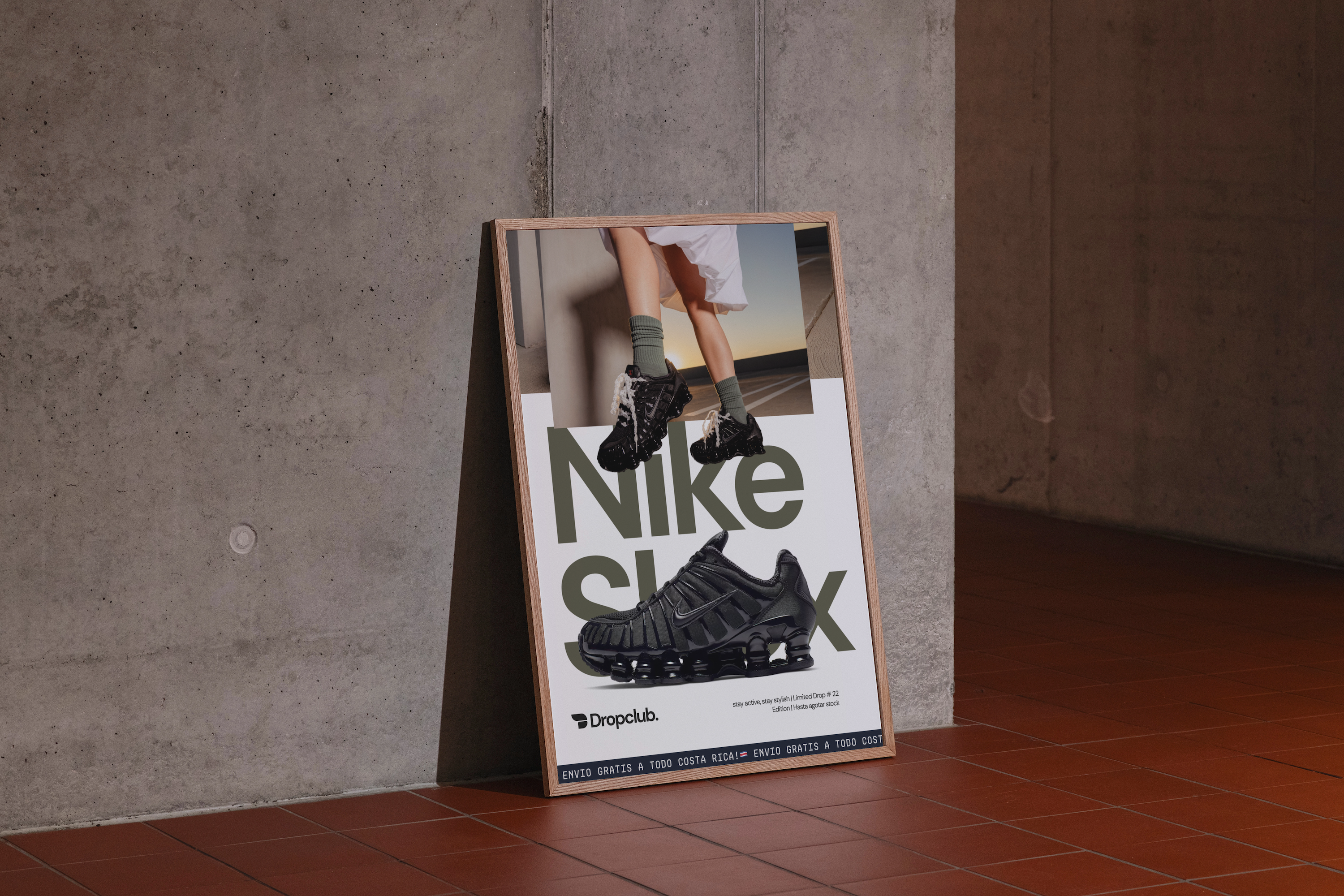

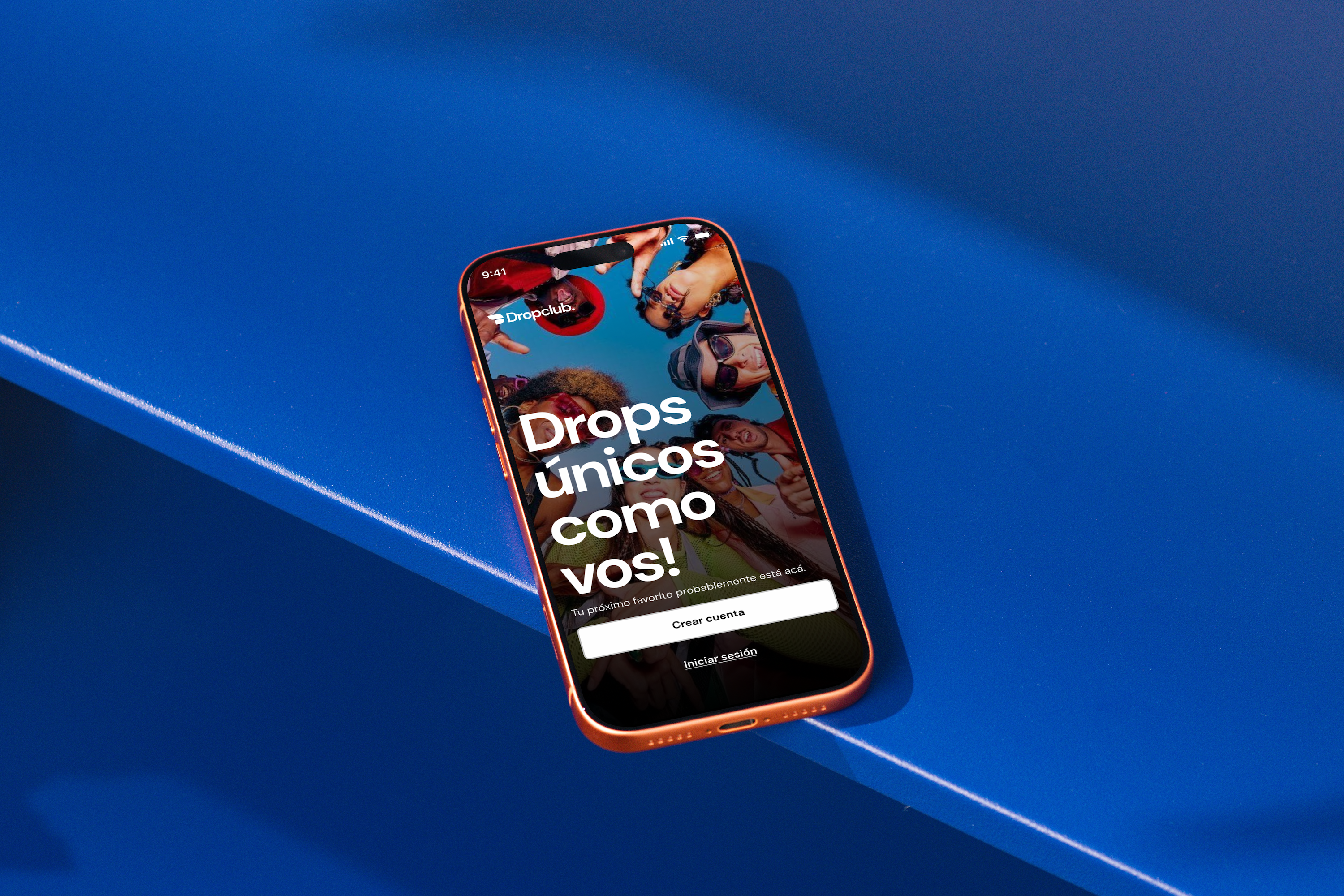
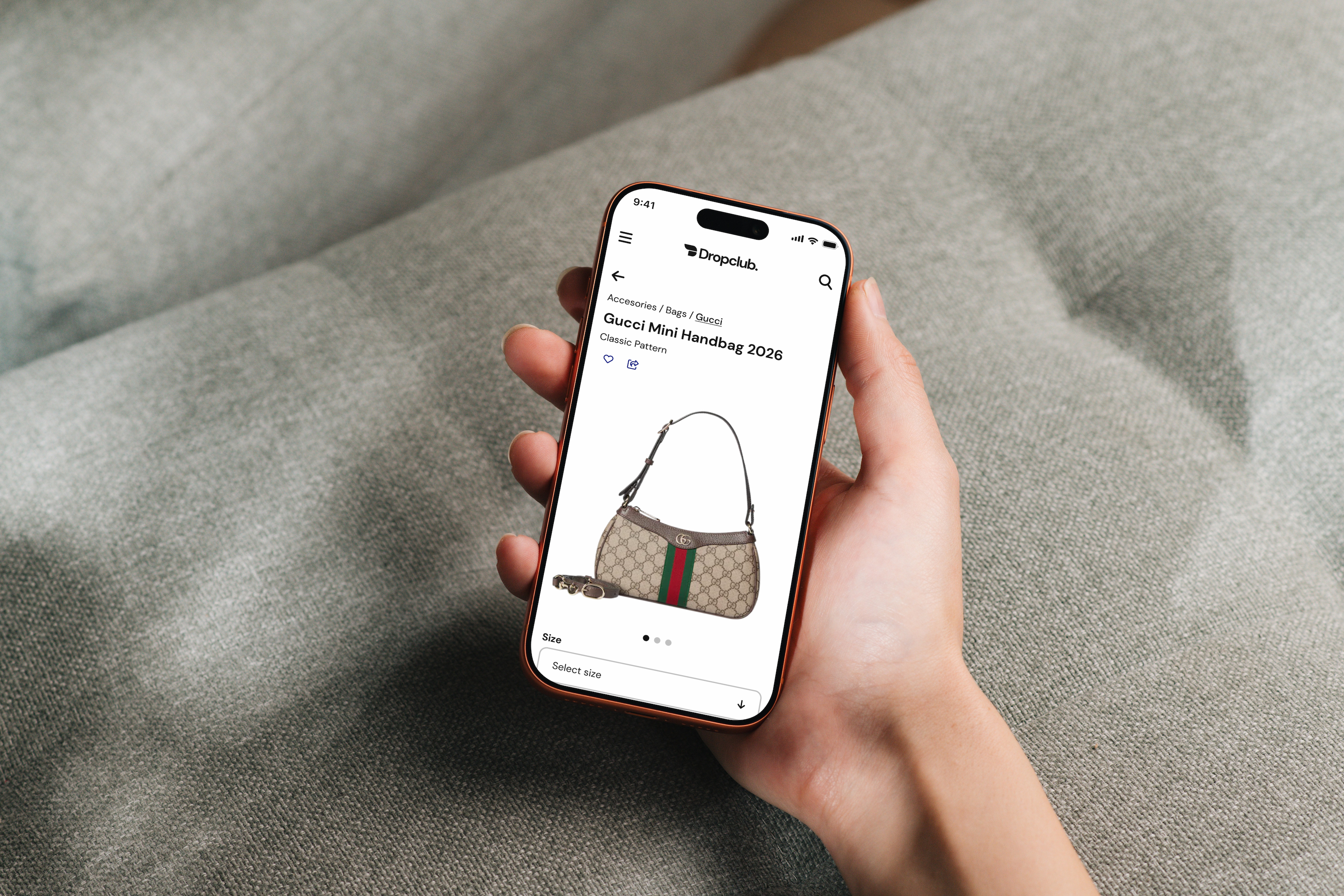
The catalog
Products people already want.
Starting with nothing
The first version of Dropclub didn't have a warehouse, a catalog, or a single product on a shelf. Someone would ask for a sneaker, t-shirt, or item they found online. We'd source it, calculate the real cost to land it in Costa Rica, offer a price, and observe what happened next.
Every request became an experiment. We could see what people were actually willing to pay for, which brands generated enough desire to justify the premium, and where price resistance appeared. Rather than asking people what they might buy, we watched what they actually did.
Learning before scaling
The zero-inventory model wasn't only testing demand. It forced us to understand what had to happen behind the scenes to deliver a single order: how to source authentically, calculate landed cost, import, and reach the customer. Each transaction shaped the operating model.
At the same time, Instagram and WhatsApp became research tools. Customers told us what they were searching for, what they couldn't find locally, and how much convenience was worth to them. Every conversation became a data point before any inventory was committed.
The behavior
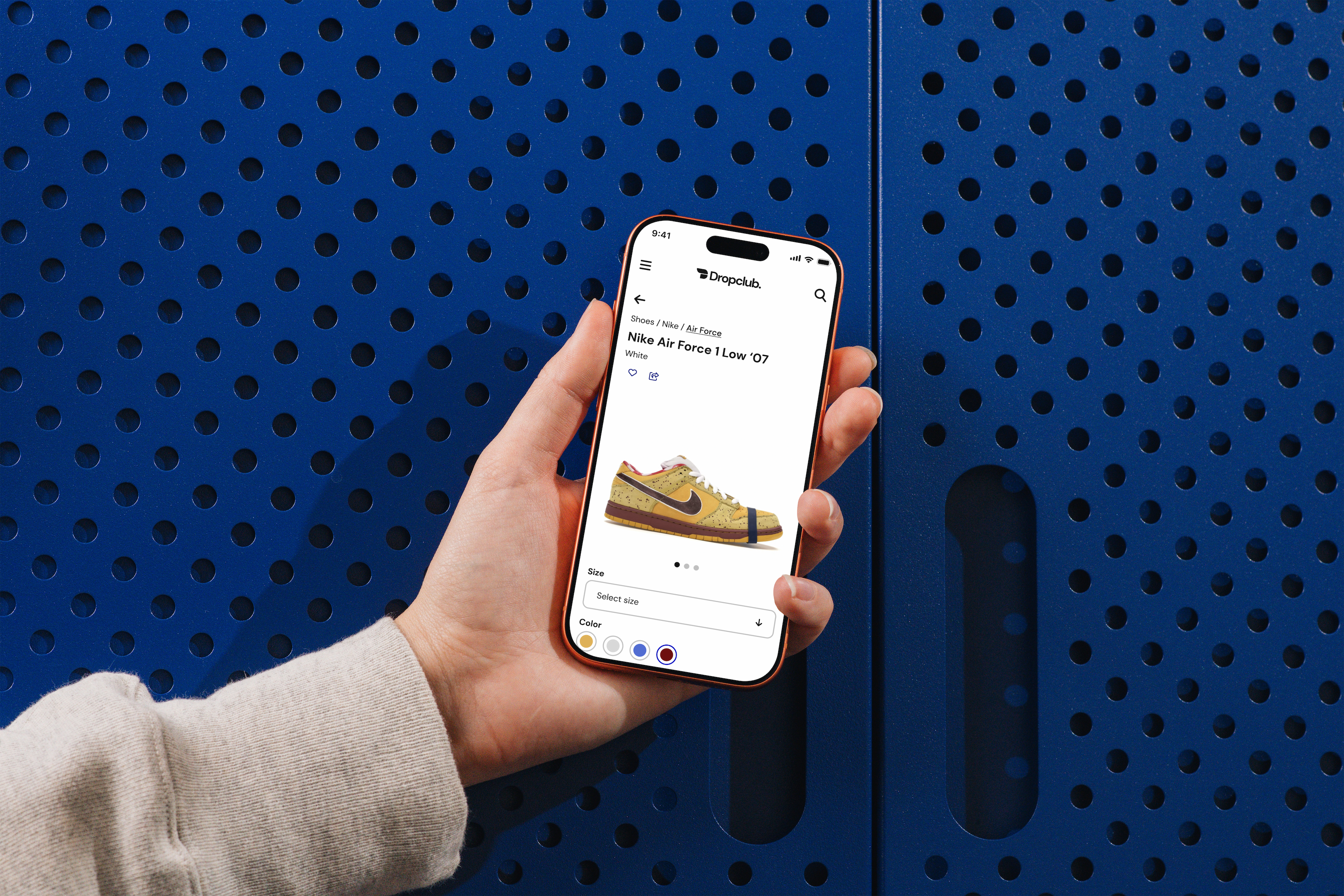
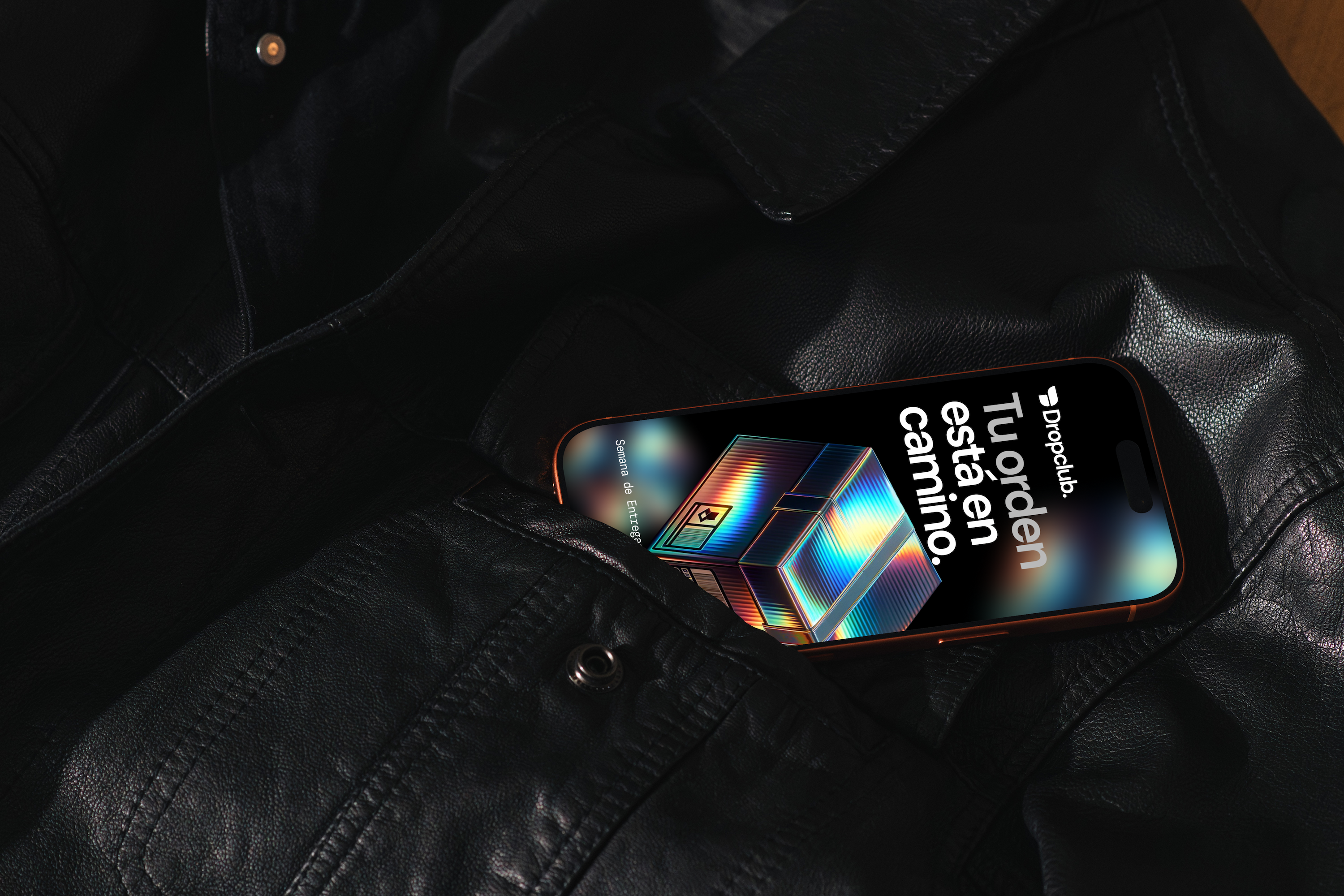
Traditional ecommerce assumes people search, browse a catalog, add to a cart, and check out. That isn't how these purchases begin. Someone sees a Rhode case on TikTok. Sends it to a friend. Finds Dropclub on Instagram. Asks if it's available. Pays. Gets it delivered.
The journey starts with desire, not intent. And the conversations that follow can answer questions a checkout page can't: Is it original? Do you have my size? Can I get it before Friday? We started treating those conversations as data, not friction.
From requests to bets
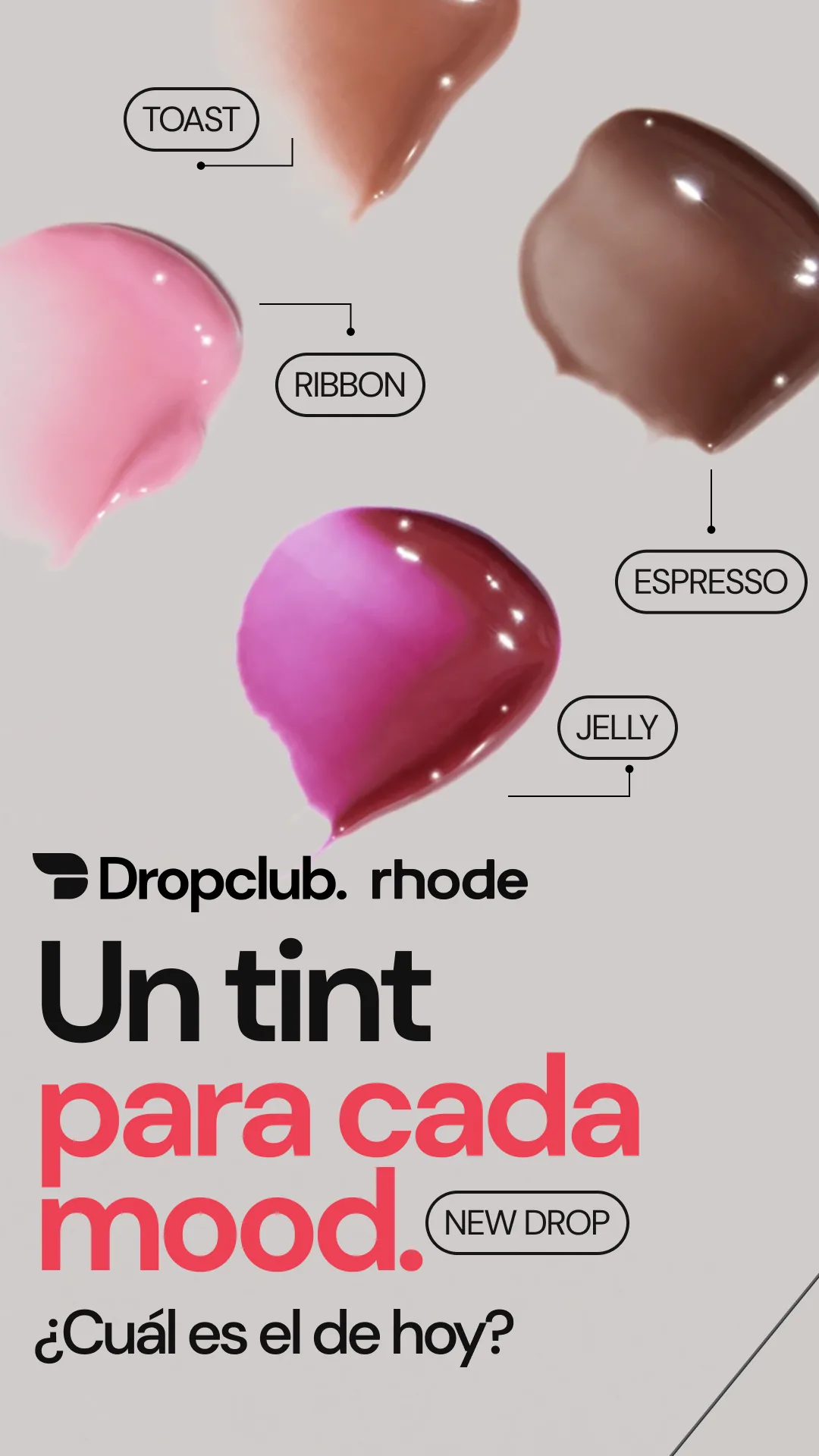
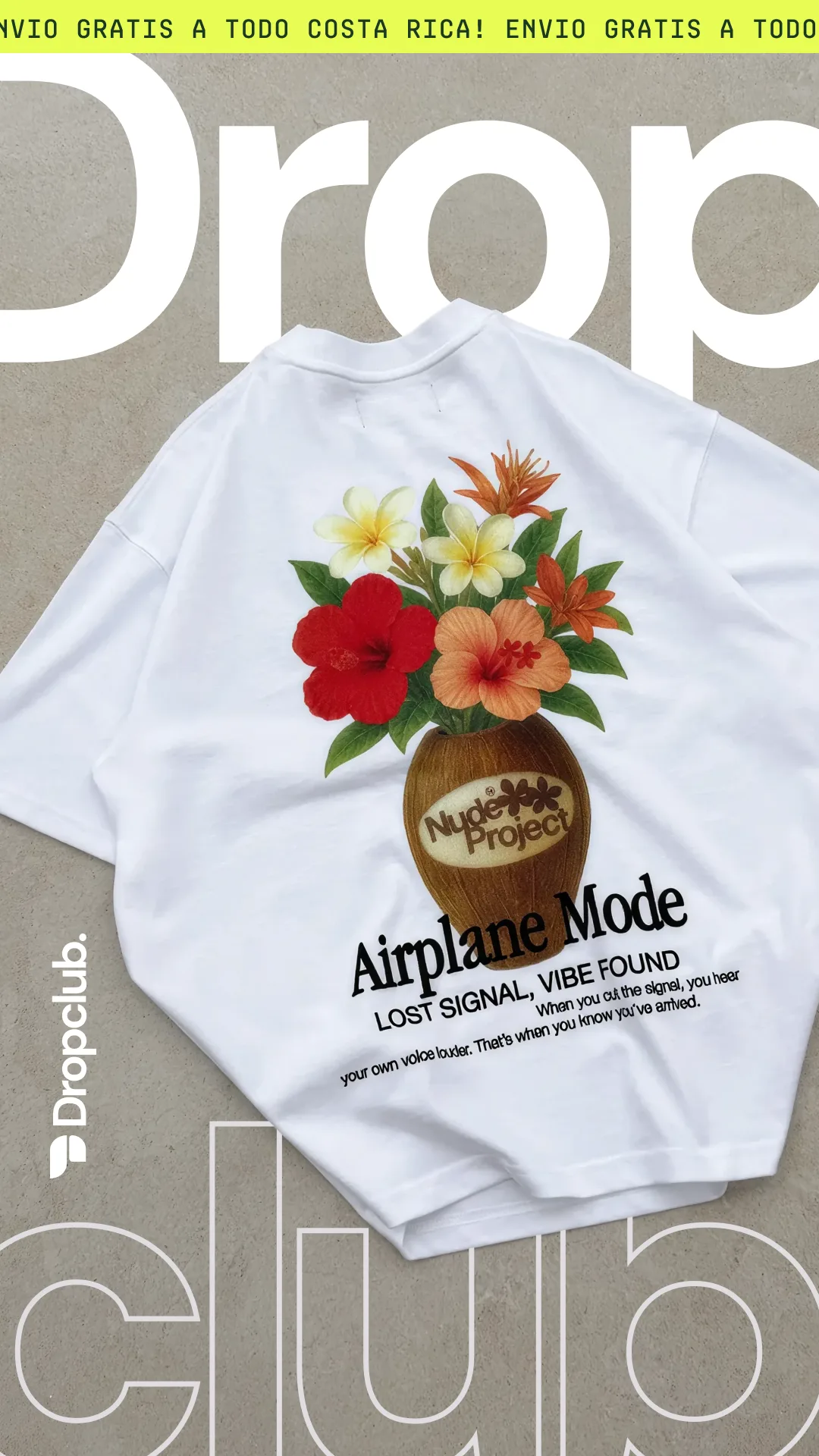
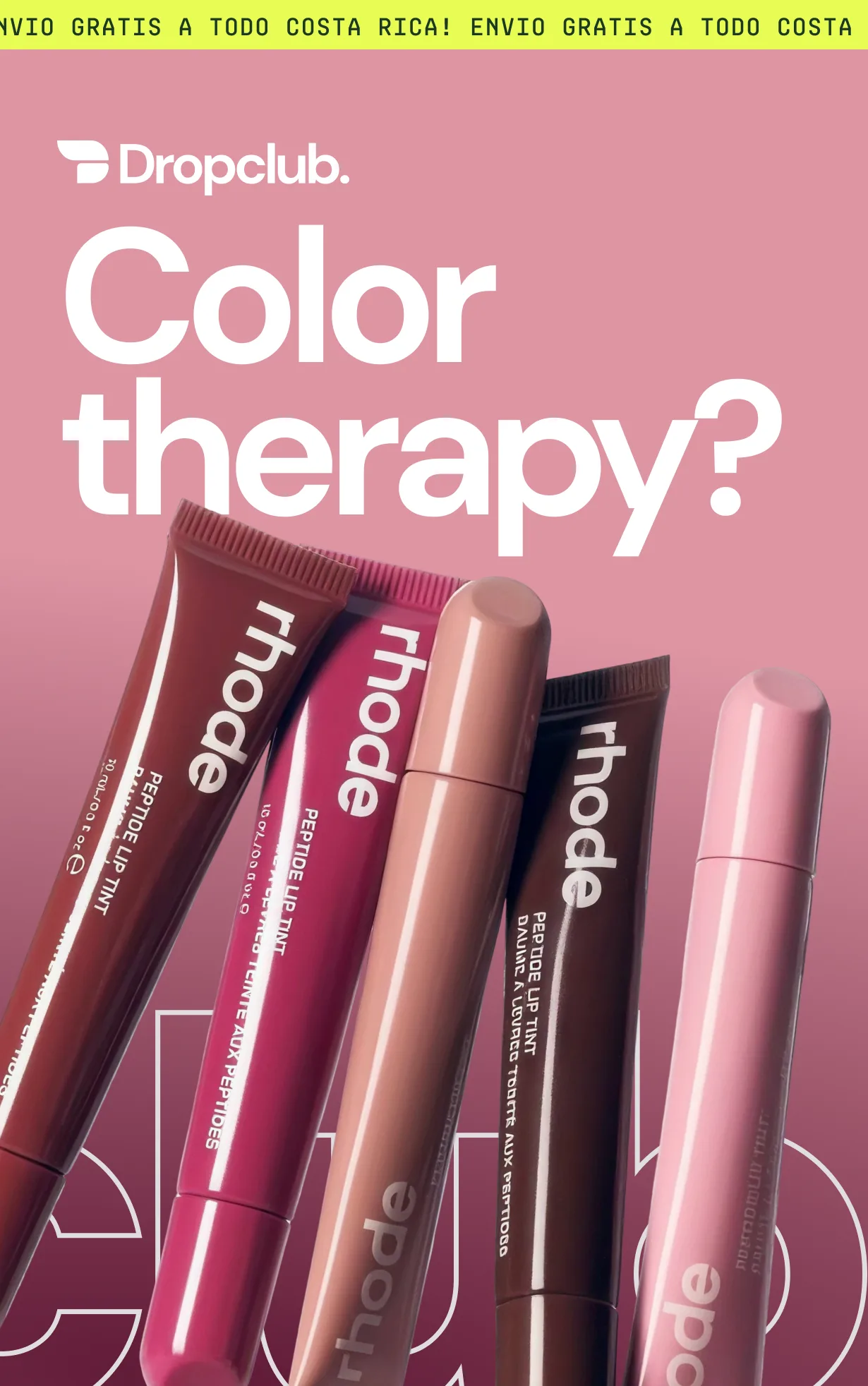
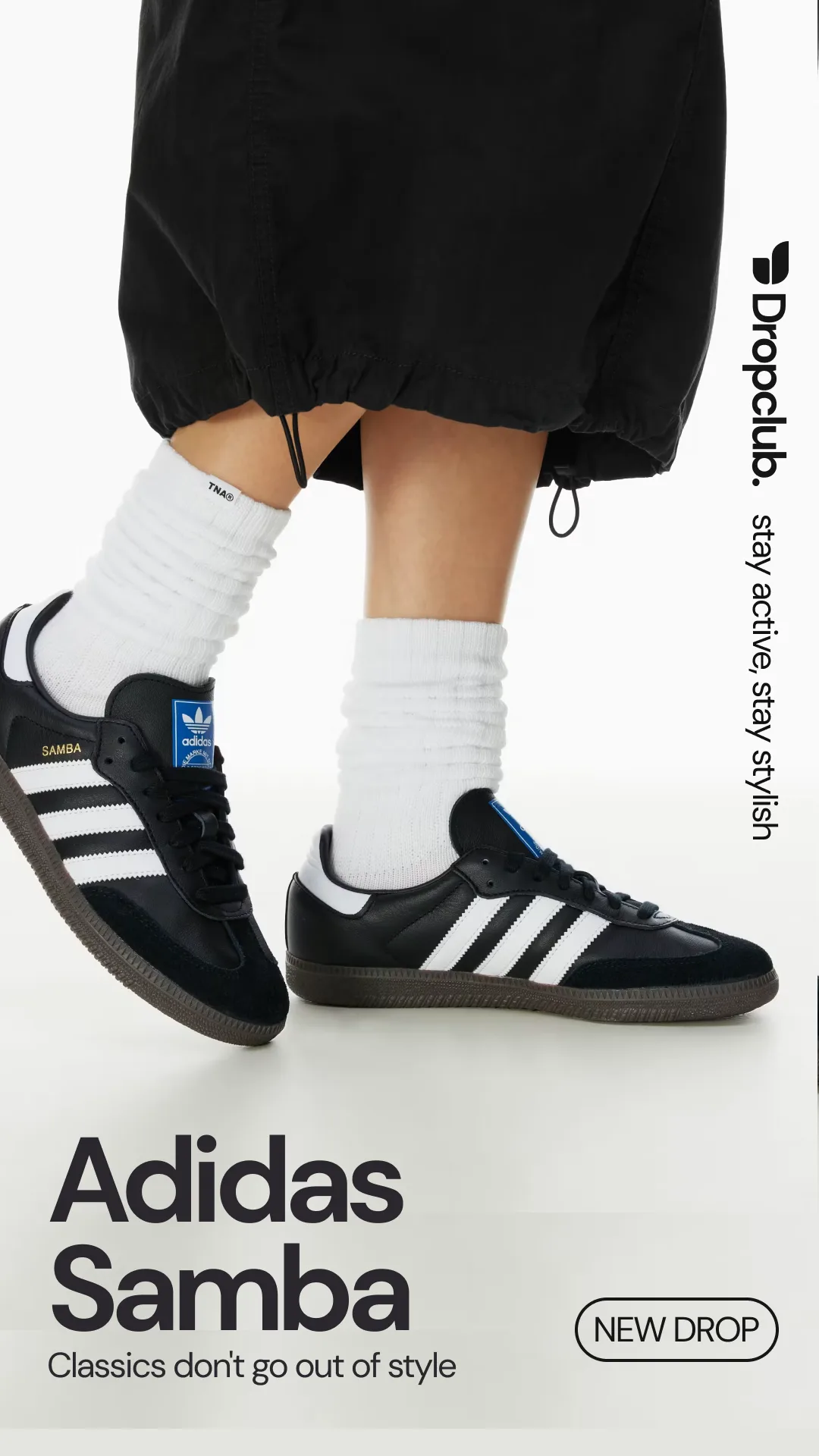
Patterns eventually emerged from the early demand signals. That shifted the model from sourcing individual requests toward small, curated inventory bets. Rhode tests demand for viral beauty products. Nude Project tests whether the same behavior extends into premium men's fashion. Sneakers test another category, price point, and purchasing rhythm.
Each drop starts with a hypothesis: who will buy it, why they want it, what they'll pay, and how much capital is worth risking to find out. Sell-through, margin, acquisition cost, and time-to-sale become inputs for the next decision. The question is shifting from what someone asked us to find, toward what they'll want before they ask.
Turning taste into a system
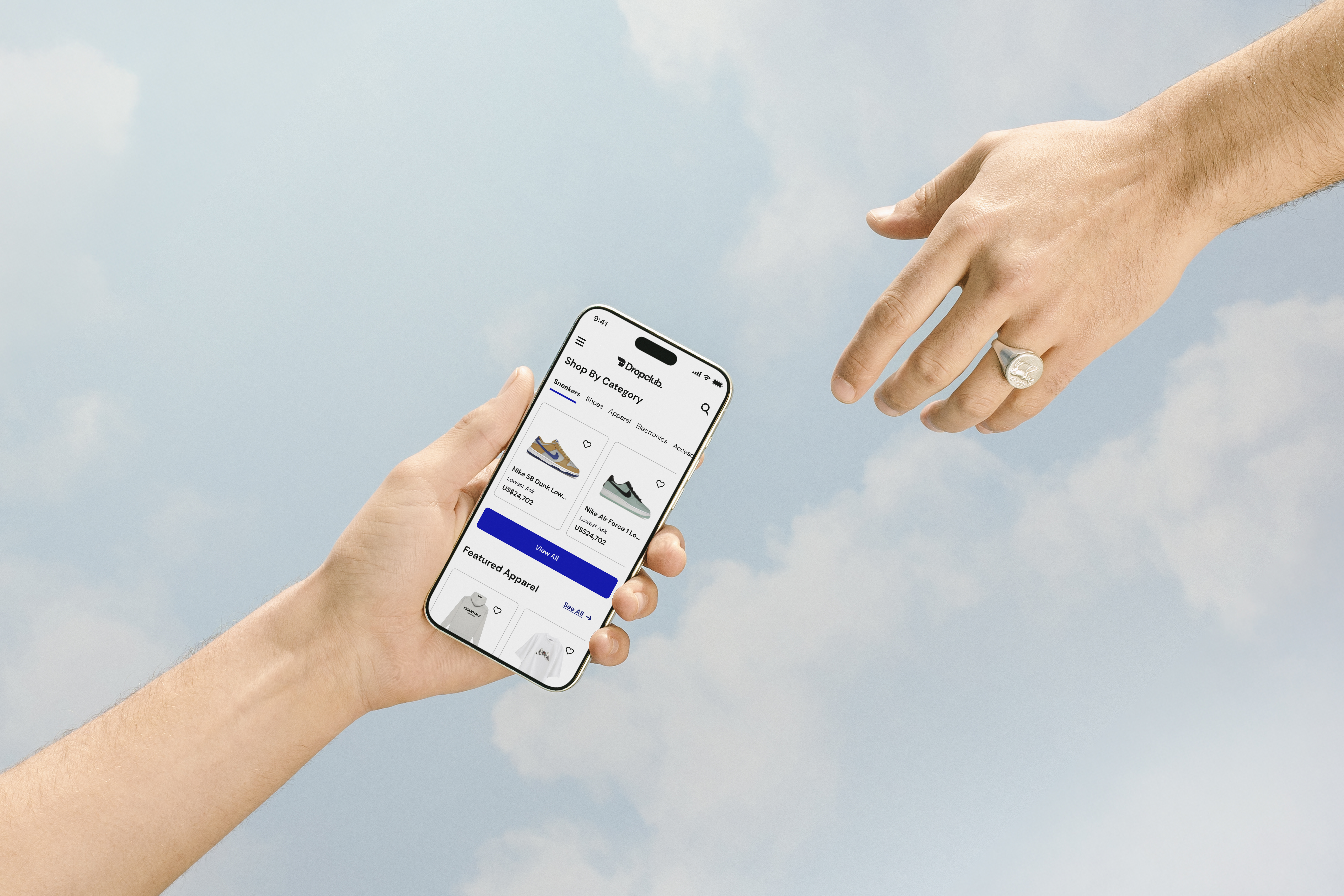
The next version of Dropclub is an intelligence layer for better buying decisions. AI helps process signals across social media, search behavior, creators, and local availability, but it doesn't decide what's worth carrying. That's still a judgment call.
A potential drop gets evaluated across four dimensions: global attention, local scarcity, customer fit, and viable economics. Every purchase generates another signal. What sold? To whom? At what price? How quickly? Those answers make the next buying decision slightly less uncertain.
Featured Work
Featured Work