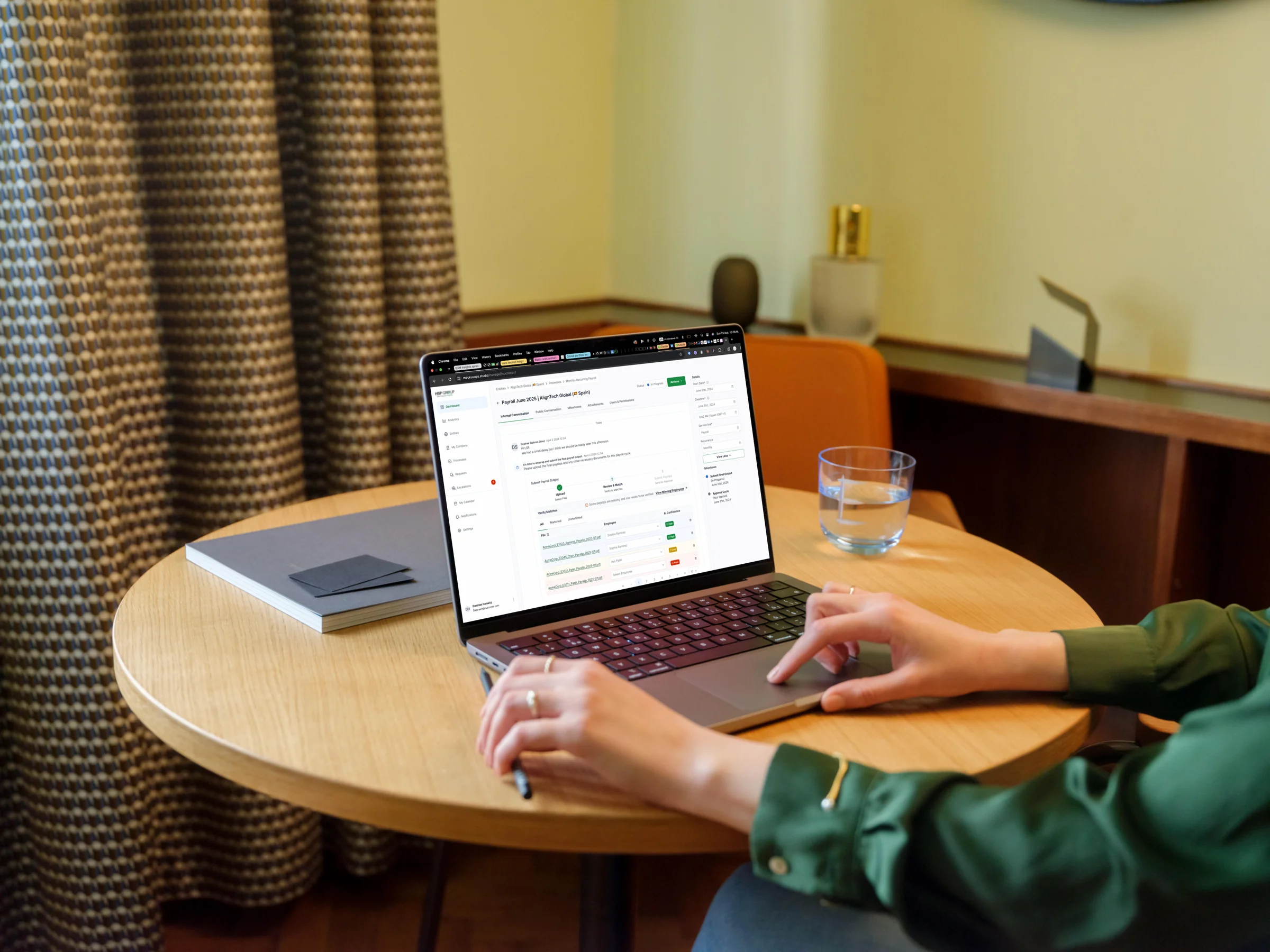
A compliance firm serving clients across 120+ countries, with board backing and a clear platform opportunity. The expertise was already in the room. What was missing was a shared picture of the problem, and a process that could surface it before a single screen was designed.
The opportunity
A specialist team of lawyers, accountants, and governance experts, each with deep knowledge of their domain. The company had board backing and a clear platform opportunity. What they needed was a process that could turn distributed knowledge into a shared picture of what to build and why.
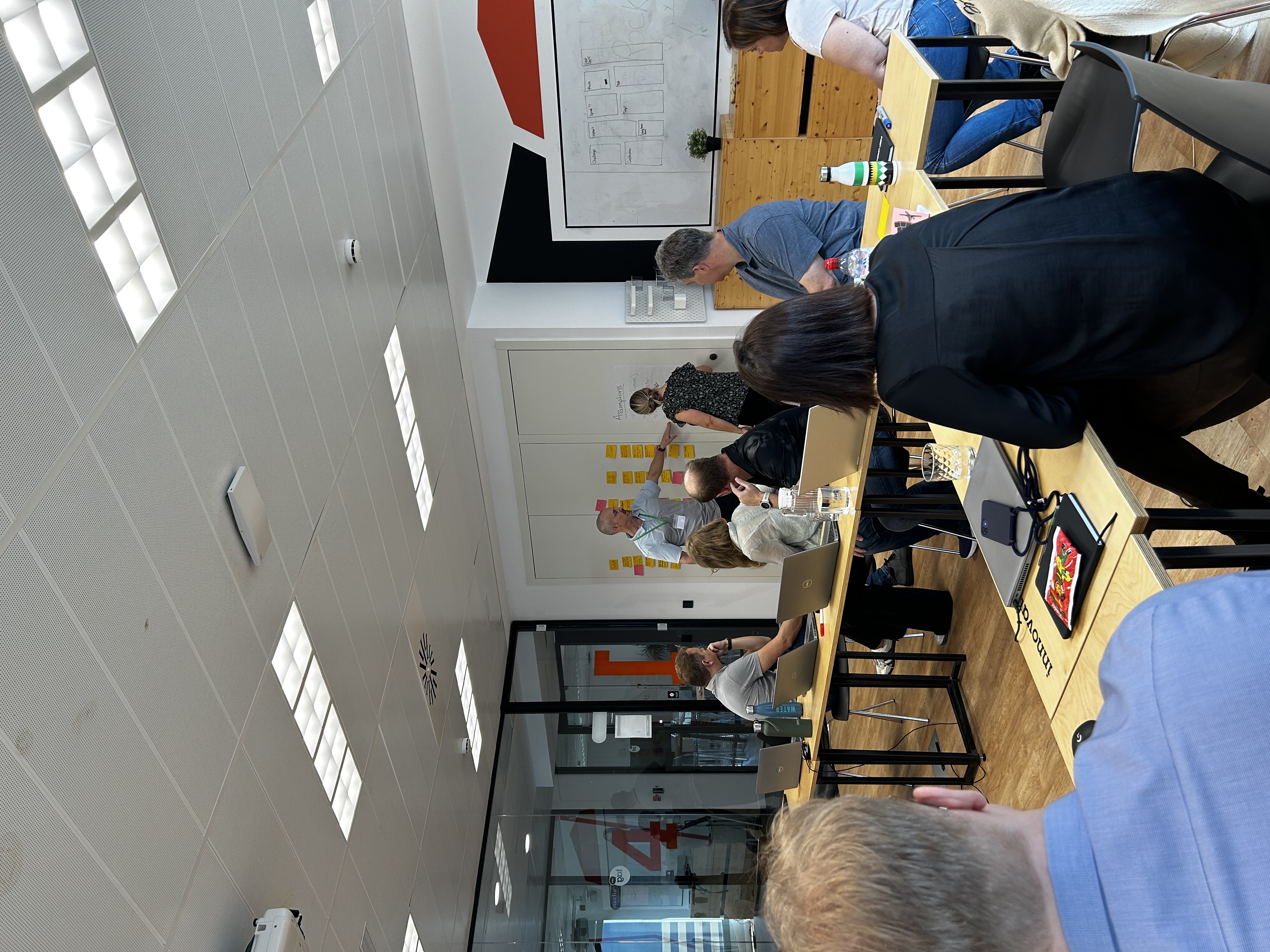
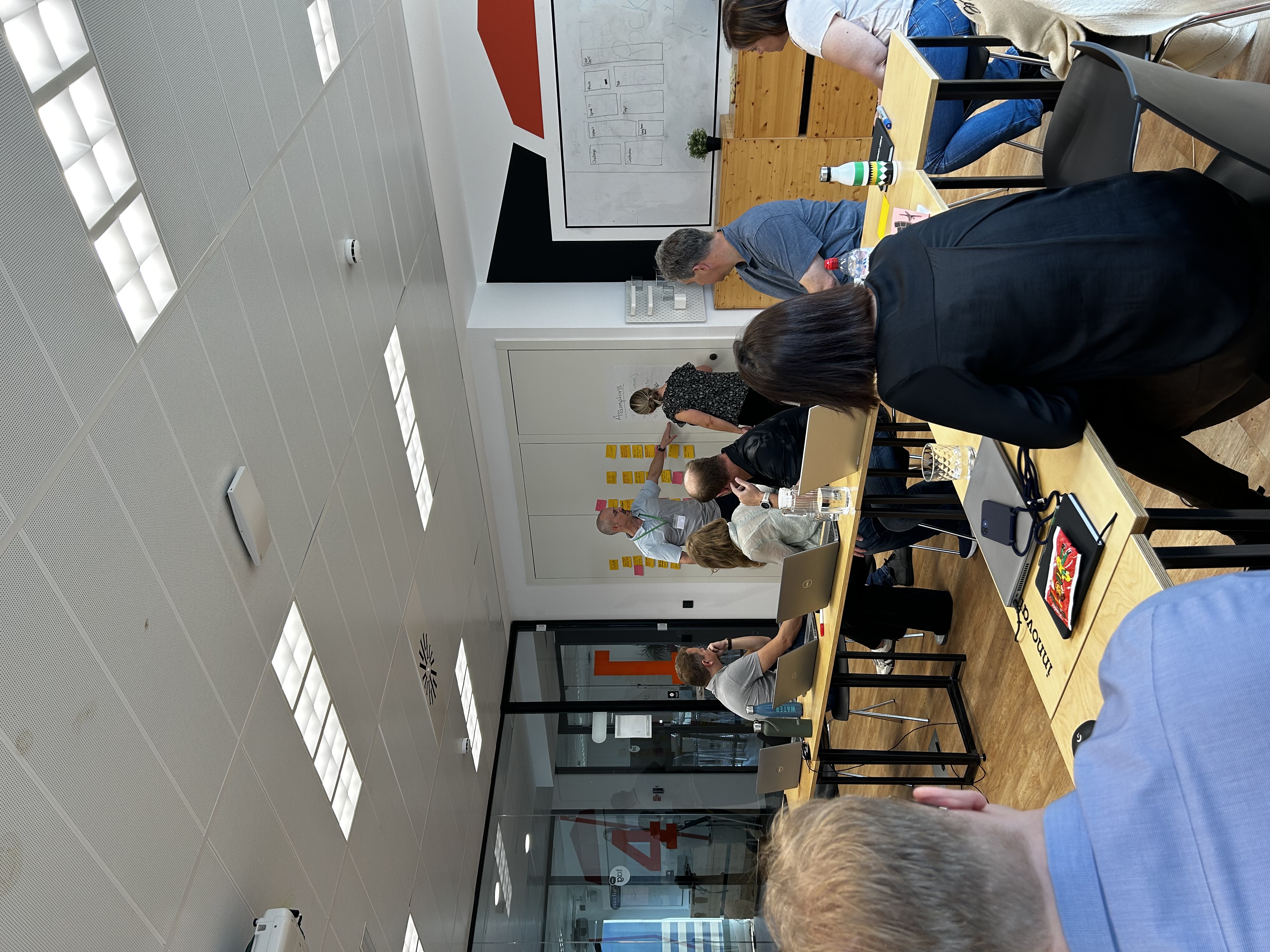
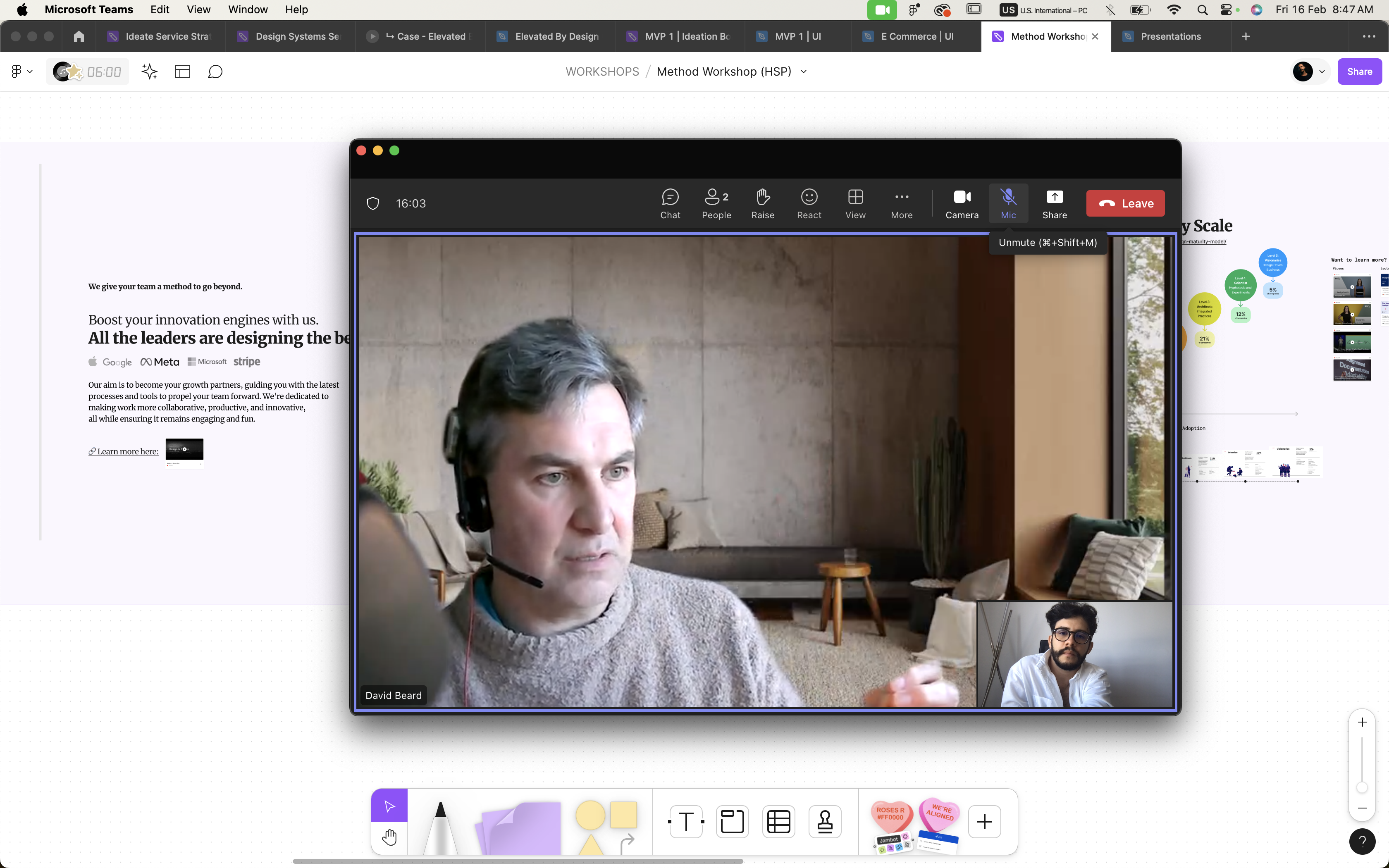
Working closely with the VP of Technology, the first decision was deliberate: no design, no build, no scope decisions until the full picture was visible. That meant mapping the end-to-end experience from the first customer touchpoint to the last operational handoff, with every team in the room at once.
The method
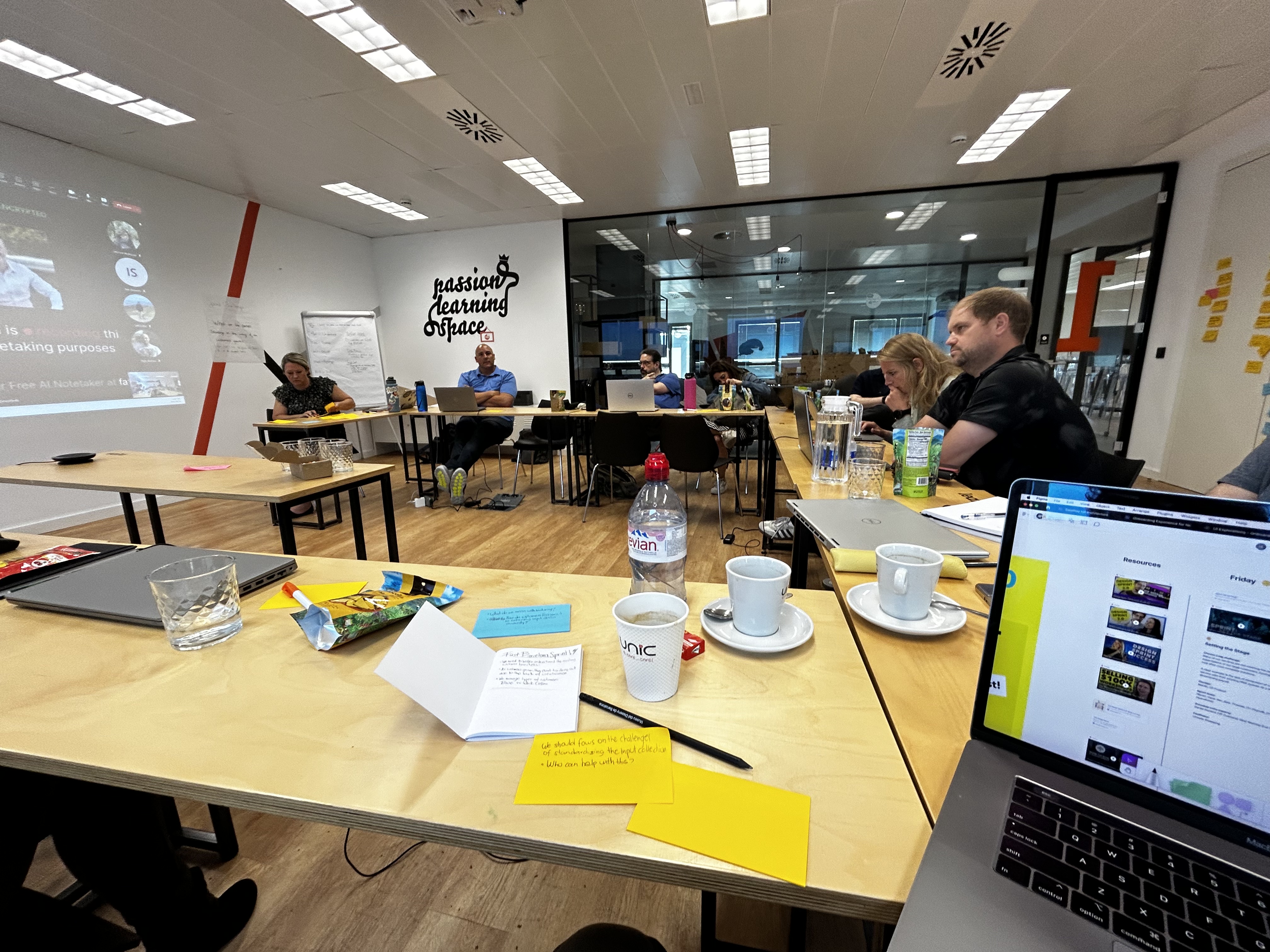
Bringing leadership, product, operations, customer success, and delivery into the same conversation meant each team could see beyond their own piece of the work. What one team called standard process, another experienced as friction. Those gaps, once visible, became design decisions. The alignment that followed wasn't forced. It came from everyone looking at the same thing at the same time.
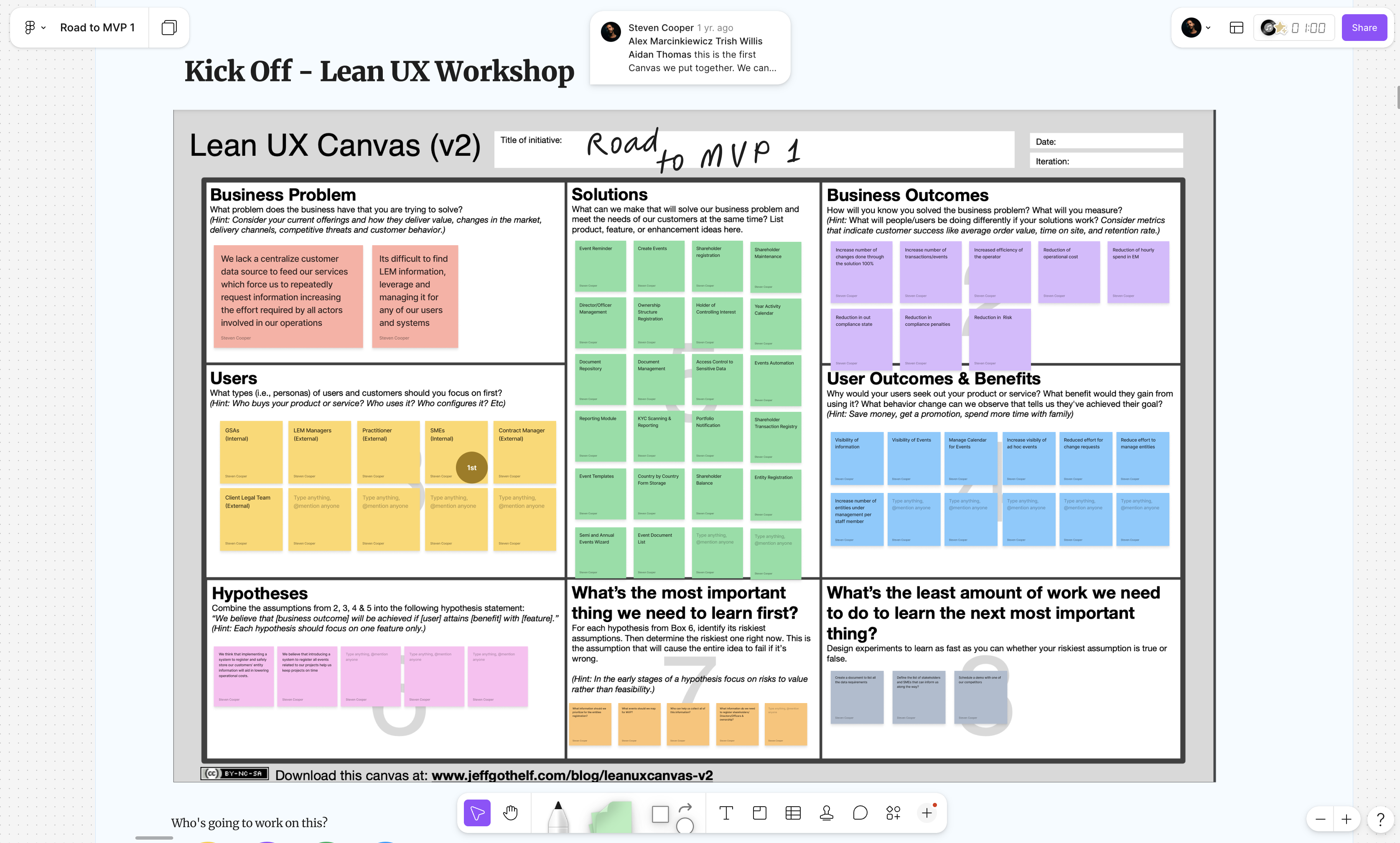
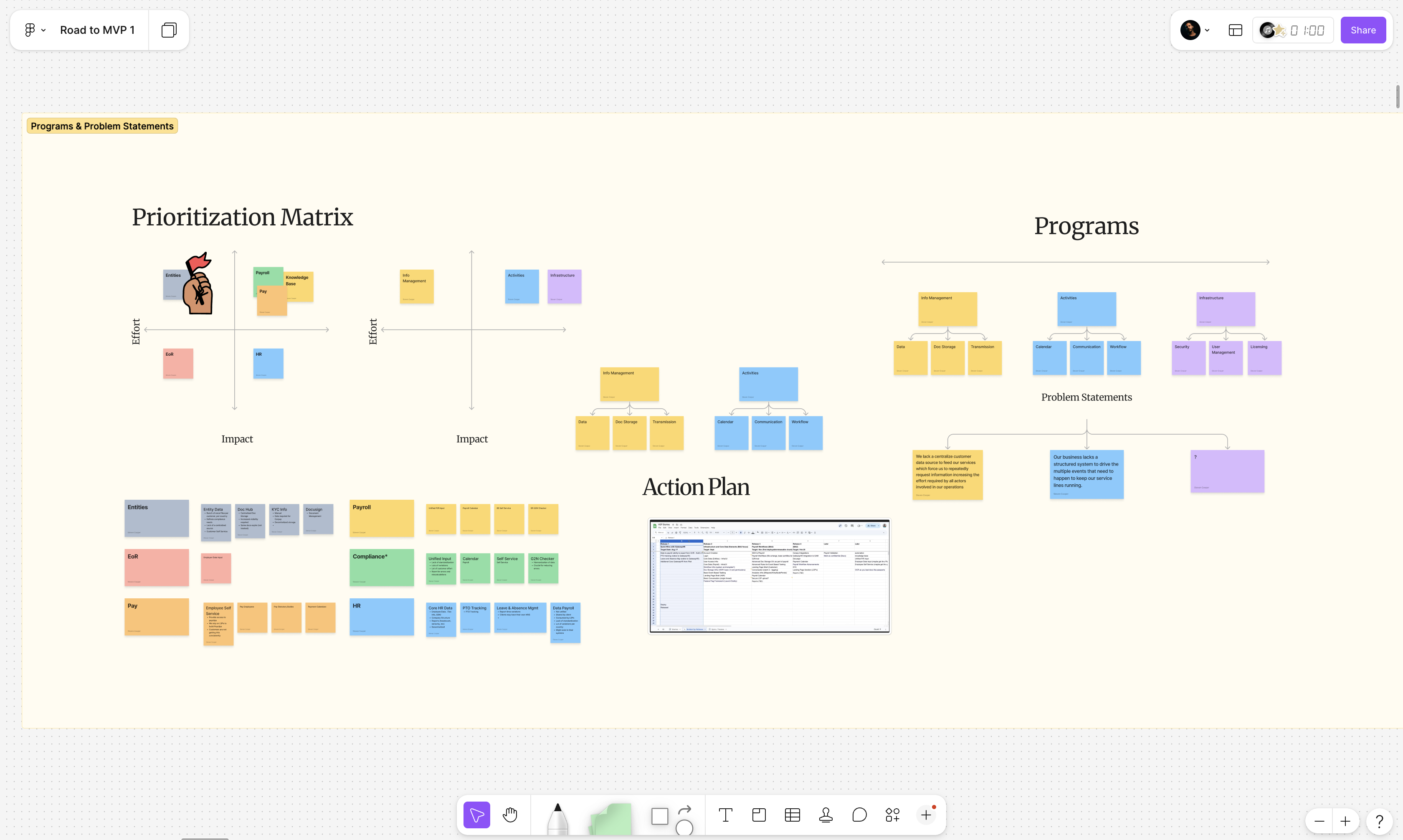
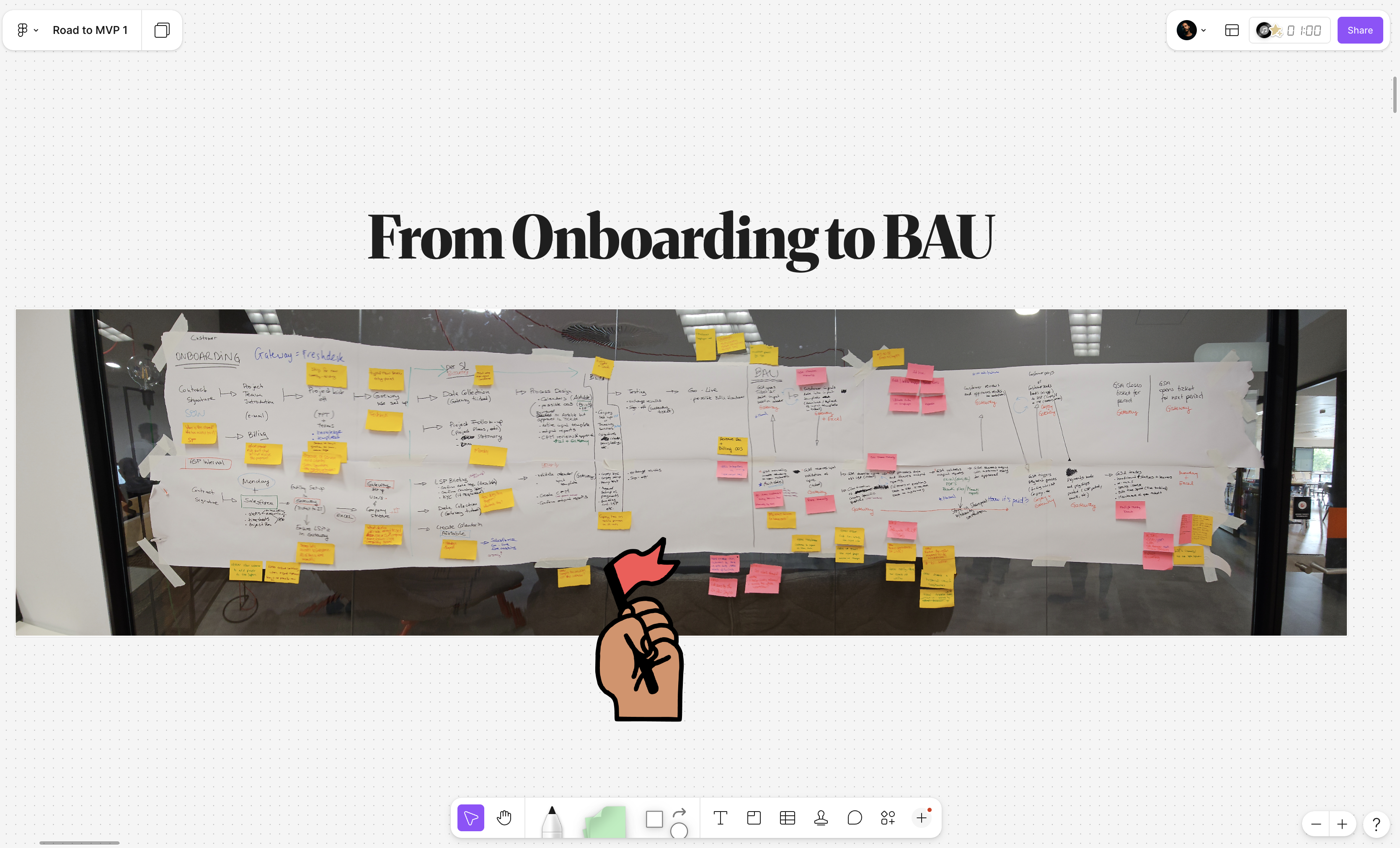
Two days. Four hours each. The map covered the full customer journey from onboarding to business as usual. A Lean UX Canvas turned each direction into a testable hypothesis. A prioritisation matrix identified what had the most impact for the least effort. Three programs emerged, each with an owner, a problem statement, and a clear starting point.
- ·End-to-end journey map from onboarding to business as usual
- ·Cross-functional workshop design and facilitation across all teams
- ·Three programs structured with owners, problem statements, and action plans
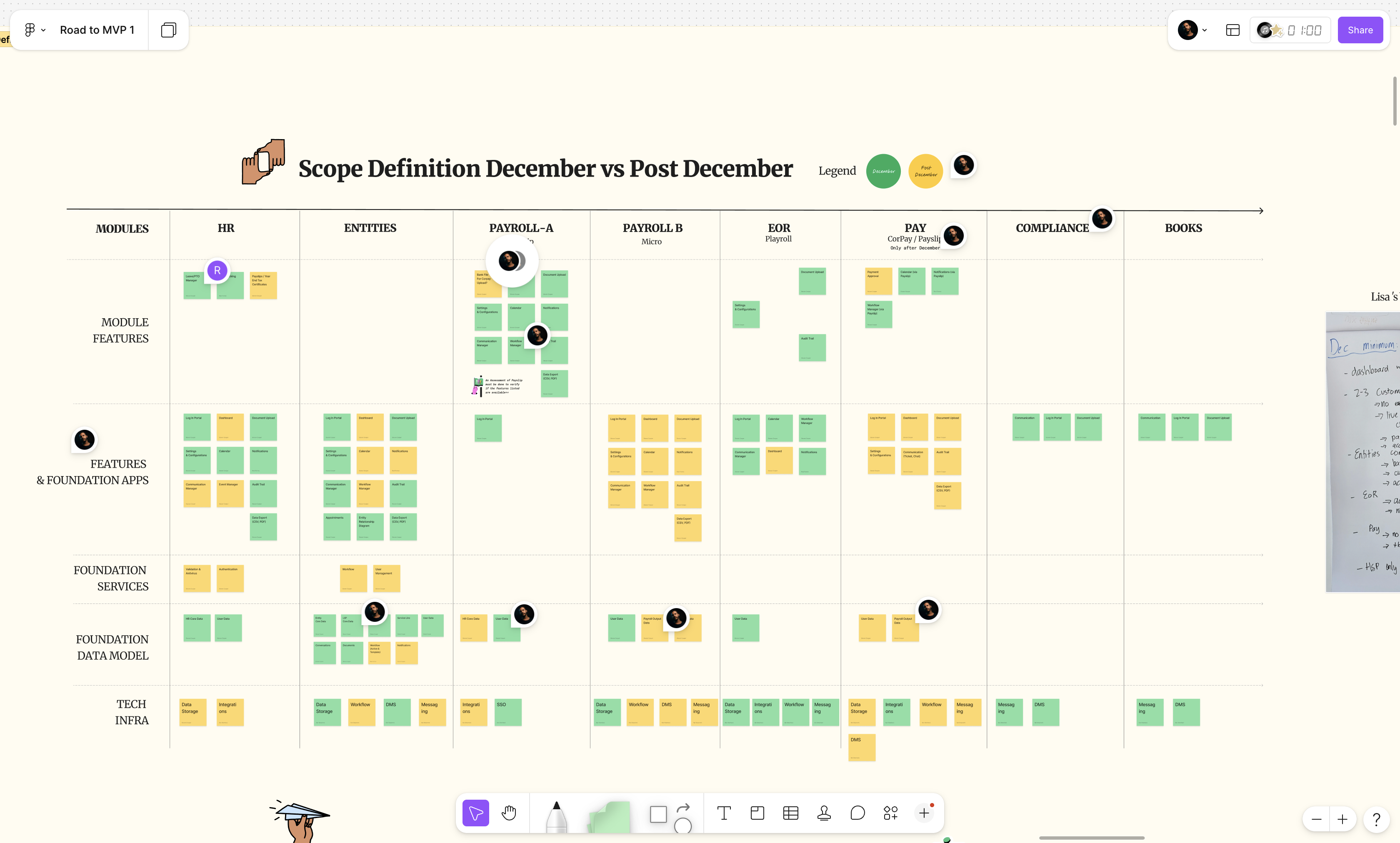
- ·Platform scope defined from operational reality, agreed across the organisation
The discovery
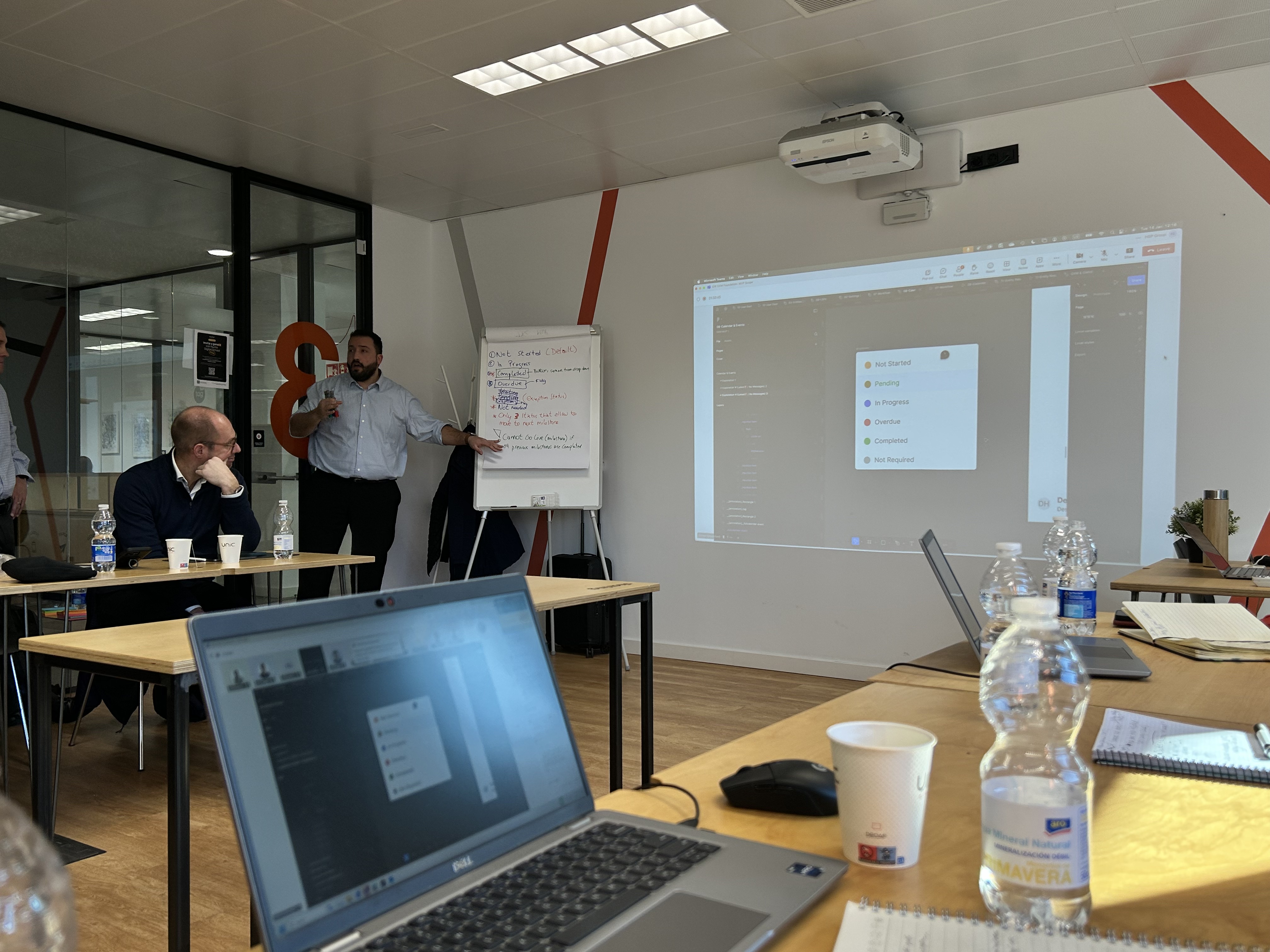
What the map revealed wasn't what anyone expected. The customer-facing experience had friction, but it wasn't the source of the real cost. The real cost was backstage: no centralised place to store the information that kept every engagement running. When something was missing, someone re-ran it. When a vendor needed something, someone coordinated it manually. That operational overhead was reducing margins across every account.
Once the problem was named, it could be designed around. Everyone left knowing what to build first. And why.
Impact
Eight hours of structured work produced a named problem, a defined scope, and programs with owners and action plans. Not slides: a shared model that everyone had helped build, and that leadership could take directly to a board.
The investment that followed was a logical next step.
- ·Board support secured to build the MVP and sustain operations
- ·Platform scope defined from operational reality, agreed by all teams
- ·Three programs structured with owners, problem statements, and action plans
- ·A team that now discovers before it builds
Go deeper
Every phase built on what the one before proved.
The product shipped because the thinking came first. Start with the decision that made all the others possible.
Continue with Next PhaseFeatured Work
Featured Work